Most Common Types of a Flex PCB
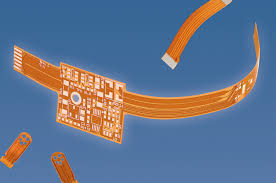
Often referred to as flex circuits, flexible printed circuit boards (PCBs) are a versatile and highly customizable choice for many electronic products. Designed to accommodate a range of motion, from bending to folding, these boards are made from thin copper foil that is both durable and conductive. They are also light, which makes them ideal for devices that need to be portable and lightweight. However, it’s important to understand the different types of flex PCB before choosing the right one for your product.
Flex PCBs come in various forms and configurations, but they can be broken down into three basic categories. These include single-sided flex, double-sided flex, and multi-layer flex circuits.
Single-sided flex is the most basic type of flex circuit boards and consists of a single layer of copper traces on a dielectric layer that can be polyimide or polymer. The copper traces are connected to each other through plated-through holes and are used to house different electronic components.
What Are the Most Common Types of a Flex PCB?
While the underlying base layer of the flex PCB is typically polyimide, it can be a variety of other polymers such as polyester or polyethylene naphthalate. Copper conductors are laminated onto this base layer and can vary in thickness from very thin to standard thicknesses found on rigid PCBs.
In order to produce the conductive pattern on the copper, etching and imaging processes are applied to the surface. There are a number of other ways to create the conductive patterns on a flex circuit, including using polymer thick film construction and printing conductive metal-particle inks directly onto the base layer.
The final step in the fabrication process is to solder all of the electrical components to the flex circuit. This is done using the same method as soldering on rigid PCBs, but the end result is a conductive circuit board that can bend and fold without sacrificing performance.
Due to their flexibility, flex PCBs are a popular option for wearable devices. They can be molded and formed to the shape of the device for a more comfortable and natural feel. They can also help to reduce the amount of mechanical connectors that are required, which can make the design more compact and less prone to error.
Flex circuits are used in a number of different devices such as calculators, LCD televisions, flip cell phones, cameras, and printers. They are also used in the medical field for heart monitors and pace makers, hearing aids, and bar code equipment. They are even being used in satellites and GPS systems. There is no limit to the applications for these versatile and adaptable electronics. For more information on how you can incorporate a flex circuit into your next project, please contact us. We would be happy to discuss your options and help you find the best solution for your application. Our knowledgeable team can assist you with everything from the initial concept stages to finished prototypes.