Printed Circuits Assembly
As consumers demand ever-more efficient and advanced electronics, PCB assembly manufacturers must be mindful of the environmental impact of their manufacturing processes. This involves sustainable sourcing of materials, energy-efficient manufacturing, waste management and adherence to environmental regulations. In addition, it requires the use of green packaging and a commitment to environmentally responsible transportation methods.
A reputable and experienced printed circuits assembly will have a thorough quality assurance system in place to ensure that they deliver high-quality products and services. They will also be committed to the environmental health of their customers and employees, implementing pollution prevention measures in their production facilities. This includes utilizing eco-friendly and low-emission machinery, as well as minimizing waste through process optimisation and material reutilization.
One of the most significant environmental concerns of circuit board assembly is the disposal of toxic components. Traditional circuit boards typically contain copper and other metals that can leach harmful toxins into soil, water systems and air. Fortunately, these contaminants can be reduced by using recycled copper and by selecting materials that are free of hazardous chemicals, such as flame retardants.
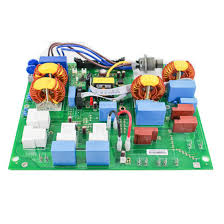
Environmental Considerations in Printed Circuits Assembly
In addition to avoiding harmful chemicals, it is important for PCB manufacturers to adopt energy-efficient equipment and processes. This will reduce the amount of electricity used in the manufacturing process, reducing the overall environmental footprint of the product. In particular, SMT circuit board manufacturing relies on high-temperature reflow ovens that consume substantial amounts of energy. However, energy efficiency can be achieved through routine maintenance and a focus on the design and layout of the manufacturing line.
Another major consideration is the use of environmentally friendly fluxes and cleaning agents. These are typically free of halogenated substances, which release dangerous gases upon incineration. Moreover, the use of lead-free solders and laminates is helping to lower the carbon footprint of SMT circuit boards.
SMT is a resource-intensive process, and so it is vital to choose the right materials for the job. This can be done by sourcing sustainable materials and choosing components that are RoHS compliant. This will help to minimize the use of risky substances that can contaminate the environment, including phthalates and brominated flame retardants.
When evaluating different PCB assembly companies, it is crucial to look at their sustainability practices. This includes a commitment to environmentally responsible transport methods, which can be accomplished through the use of electric vehicles (EVs). EVs operate more quietly than conventional internal combustion engines (ICE), thus reducing noise pollution in urban areas.
The PCB assembly process generates a lot of waste, including scrap materials, defective additives and packaging. These can be reduced by implementing rigorous quality control measures that allow for the reuse of scrap materials and the recycling of components that cannot be salvaged. This, in turn, will cut down on the need for extensive sorting and waste disposal. In addition, using green packaging materials can further decrease the environmental impact of the assembly process. Lastly, utilising smart disassembly techniques to automate the removal of ECs can further reduce the need for manual sorting.