
typical payment terms offered by Pcba manufacturings
Understanding the payment terms offered by PCBA (Printed Circuit Board Assembly) manufacturers is crucial for both clients and manufacturers alike. These terms dictate the financial arrangements between the parties involved in the manufacturing process and can have significant implications for project budgets, cash flow, and overall business operations. While payment terms may vary depending on factors such as project size, duration, and client relationship, there are several common arrangements typically offered by PCBA manufacturers.
One of the most common payment terms in the PCBA manufacturing industry is the “Net 30” arrangement, where payment is due in full within 30 days from the date of invoice. This term provides clients with a reasonable timeframe to process payments and aligns with standard accounting practices. It also offers manufacturers a predictable cash flow schedule, allowing them to cover expenses and invest in resources necessary for production without undue financial strain.
In addition to Net 30 terms, pcba manufacturing may offer variations such as “Net 15” or “Net 60,” depending on the specific needs and preferences of the client or the manufacturer’s policies. These variations adjust the payment due date accordingly, providing flexibility to accommodate different project timelines and client requirements. For example, clients with shorter project cycles may prefer Net 15 terms to expedite payment processing and maintain project momentum.
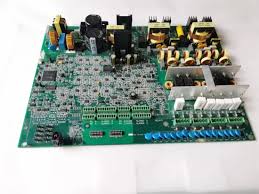
What are the typical payment terms offered by Pcba manufacturings?
Another common payment term in the PCBA manufacturing industry is the “progressive payment” or “milestone-based payment” structure. Under this arrangement, payments are divided into installments corresponding to specific project milestones or deliverables. For instance, clients may be required to make an initial deposit upon project initiation, followed by payments at key stages of the manufacturing process, such as prototype development, pre-production testing, and final production. This payment structure aligns payments with project progress, mitigating risks for both parties and providing transparency and accountability throughout the manufacturing process.
Furthermore, PCBA manufacturers may offer “payment on delivery” or “cash on delivery” (COD) terms for certain projects or clients. With COD terms, payment is made in full at the time of product delivery or acceptance. While less common than other payment arrangements, COD terms can be advantageous for clients who prefer to pay only upon receipt of the finished products or for projects with shorter production cycles where immediate payment is feasible.
Additionally, PCBA manufacturers may provide discounts or incentives for early or advance payments as a way to encourage prompt payment and improve cash flow. For example, clients may receive a discount for making full payment upfront or for paying invoices within a specified period, such as 10 days from the invoice date. These discounts can help clients save on project costs while providing manufacturers with the assurance of timely payment.
It’s important for clients to carefully review and negotiate payment terms with PCBA manufacturers to ensure alignment with their budgetary constraints and project timelines. Clear communication and mutual understanding of payment terms help establish trust and foster positive relationships between clients and manufacturers. By selecting the appropriate payment terms and adhering to agreed-upon schedules, both parties can navigate the financial aspects of the manufacturing process effectively and achieve successful project outcomes.