
printed circuit board assembly enhance design flexibility
Printed Circuit Board Assembly (PCBA) plays a crucial role in enhancing design flexibility in electronic device manufacturing, offering engineers and designers the freedom to create custom electronic systems tailored to specific application requirements. By leveraging PCBA technology, designers can achieve innovative solutions, optimize layouts, and integrate advanced features with ease. Let’s explore how PCBA enhances design flexibility in electronic devices.
Customizable Layouts: PCBA allows designers to create highly customized PCB layouts to accommodate the specific requirements of the electronic device. With the aid of advanced PCB design software, designers can place components strategically, route traces efficiently, and optimize the layout for signal integrity, thermal management, and mechanical constraints. This level of customization ensures that the PCB meets the exact specifications of the electronic system, leading to improved performance and reliability.
Component Integration: printed circuit board assembly enables the integration of a wide range of electronic components into a single PCB, including microcontrollers, sensors, communication modules, and power management circuits. By consolidating multiple functions onto a single board, designers can reduce the size, weight, and complexity of the electronic system while increasing its functionality and versatility. This level of component integration opens up new possibilities for compact and feature-rich electronic devices.
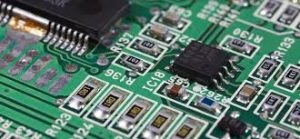
How do printed circuit board assembly enhance design flexibility?
Modularity and Expandability: PCBA facilitates modularity and expandability in electronic device design, allowing designers to create scalable systems that can easily accommodate future upgrades or expansions. By dividing the electronic system into modular components, each mounted on its PCB, designers can easily swap out or upgrade individual modules without redesigning the entire system. This modularity enhances flexibility, facilitates maintenance, and prolongs the lifespan of the electronic device.
Prototype Iteration: With the rapid prototyping capabilities offered by PCBA, designers can quickly iterate on design concepts, test new ideas, and refine prototypes before moving into full-scale production. By leveraging PCB prototyping services, designers can produce small batches of PCBs with minimal lead time and cost, allowing for faster design validation and iteration cycles. This iterative approach accelerates the design process, reduces time to market, and improves the overall quality of the final product.
Flexibility in Component Selection: Printed Circuit Board Assembly provides designers with flexibility in component selection, allowing them to choose from a wide range of off-the-shelf components or specify custom components tailored to the application requirements. Whether it’s selecting components with specific performance characteristics, form factors, or compatibility with existing systems, designers have the freedom to choose the best-suited components for their design goals. This flexibility ensures that the electronic system meets the desired performance, functionality, and cost targets.
Support for Advanced Technologies: PCBA enables the integration of advanced technologies and features into electronic devices, such as wireless communication, Internet of Things (IoT) connectivity, and artificial intelligence (AI) algorithms. By incorporating these advanced technologies into the PCB design, designers can create smarter, more connected, and more capable electronic systems that meet the demands of today’s connected world. This integration of advanced technologies opens up new opportunities for innovation and differentiation in electronic device design.
In conclusion, Printed Circuit Board Assembly (PCBA) enhances design flexibility in electronic device manufacturing by enabling customizable layouts, component integration, modularity, prototype iteration, flexibility in component selection, and support for advanced technologies. By leveraging PCBA technology, designers can create highly tailored electronic systems that meet the specific requirements of their applications, drive innovation, and deliver superior performance and reliability. As technology continues to evolve, the role of PCBA in enhancing design flexibility will only become more pronounced, empowering designers to push the boundaries of what’s possible in electronic device design.